.png?width=690&name=blog%20photos%20(1).png)
While every day ought to be an opportunity for us to embody kindness, today, November 13, stands out as World Kindness Day - urging us to realign our focus if we’ve momentarily lost sight of it.


While every day ought to be an opportunity for us to embody kindness, today, November 13, stands out as World Kindness Day - urging us to realign our focus if we’ve momentarily lost sight of it.
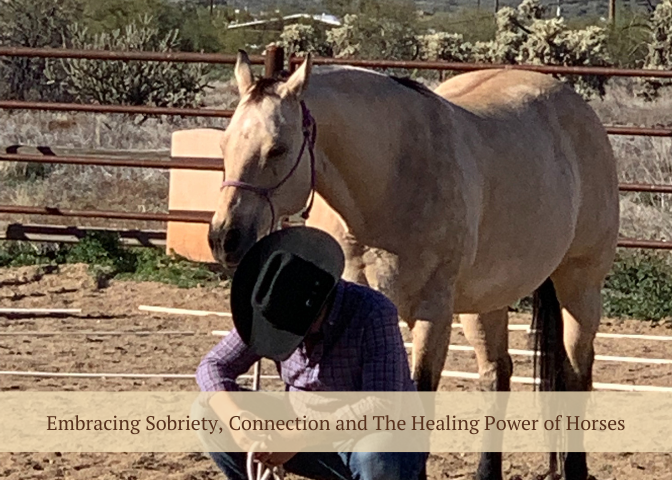
As the holiday season draws near, it's a period deeply rooted in gratitude, a sentiment that resonates profoundly with our endeavors here at Soberman’s Estate.
Topics: Addiction, Recovery, Alumni, Equine Therapy
%20(672%20%C3%97%20480%20px)%20(544%20%C3%97%20389%20px)%20(544%20%C3%97%20389%20px)%20(544%20%C3%97%20389%20px)%20(674%20%C3%97%20480%20px)%20(940%20%C3%97%20788%20px)%20(672%20%C3%97%20480%20px)%20(672%20%C3%97%20480%20px)%20(940%20%C3%97%20788%20px)%20(672%20%C3%97%20488%20px)%20(23).png?width=690&name=Add%20a%20little%20bit%20of%20body%20text%20(1080%20%C3%97%201080%20px)%20(672%20%C3%97%20480%20px)%20(544%20%C3%97%20389%20px)%20(544%20%C3%97%20389%20px)%20(544%20%C3%97%20389%20px)%20(674%20%C3%97%20480%20px)%20(940%20%C3%97%20788%20px)%20(672%20%C3%97%20480%20px)%20(672%20%C3%97%20480%20px)%20(940%20%C3%97%20788%20px)%20(672%20%C3%97%20488%20px)%20(23).png)
The holiday season is a time of joy, celebration, and togetherness. However, for individuals in recovery, it can also be a time filled with triggers, stress, and temptations that may threaten their sobriety. Staying sober during the holidays may be challenging, but it is achievable with the right strategies and support. We’ve come up with 12 practical tips to help you maintain your sobriety throughout season.
%20(672%20%C3%97%20480%20px)%20(544%20%C3%97%20389%20px)%20(544%20%C3%97%20389%20px)%20(544%20%C3%97%20389%20px)%20(674%20%C3%97%20480%20px)%20(940%20%C3%97%20788%20px)%20(672%20%C3%97%20480%20px)%20(672%20%C3%97%20480%20px)%20(940%20%C3%97%20788%20px)%20(672%20%C3%97%20488%20px)%20(12).png?width=690&name=Add%20a%20little%20bit%20of%20body%20text%20(1080%20%C3%97%201080%20px)%20(672%20%C3%97%20480%20px)%20(544%20%C3%97%20389%20px)%20(544%20%C3%97%20389%20px)%20(544%20%C3%97%20389%20px)%20(674%20%C3%97%20480%20px)%20(940%20%C3%97%20788%20px)%20(672%20%C3%97%20480%20px)%20(672%20%C3%97%20480%20px)%20(940%20%C3%97%20788%20px)%20(672%20%C3%97%20488%20px)%20(12).png)
Recovery is a journey that requires strength, resilience, and support. For men on the path to healing, there are a wealth of resources available to help navigate this transformative process. Whether you're seeking guidance, inspiration, or simply a relatable story to connect with, this curated list of resources offers a diverse array of books, movies, and more to aid in your recovery journey.
%20(672%20%C3%97%20480%20px)%20(544%20%C3%97%20389%20px)%20(544%20%C3%97%20389%20px)%20(544%20%C3%97%20389%20px)%20(674%20%C3%97%20480%20px)%20(940%20%C3%97%20788%20px)%20(672%20%C3%97%20480%20px)%20(672%20%C3%97%20480%20px)%20(940%20%C3%97%20788%20px)%20(544%20%C3%97%20389%20px)%20(13).png?width=690&name=Add%20a%20little%20bit%20of%20body%20text%20(1080%20%C3%97%201080%20px)%20(672%20%C3%97%20480%20px)%20(544%20%C3%97%20389%20px)%20(544%20%C3%97%20389%20px)%20(544%20%C3%97%20389%20px)%20(674%20%C3%97%20480%20px)%20(940%20%C3%97%20788%20px)%20(672%20%C3%97%20480%20px)%20(672%20%C3%97%20480%20px)%20(940%20%C3%97%20788%20px)%20(544%20%C3%97%20389%20px)%20(13).png)
Have you ever felt stuck, like you've taken a tumble in life that you just can't recover from? Or perhaps you're one of those who can easily rise, dust off the debris, and push forward without looking back. This resilience—or lack thereof—shapes not only our experiences but also our journey toward recovery.
Imagine, for a moment, navigating the ups and downs of life as a young horse embarking on his first adventure out from the safety of a fenced arena. Take Dreamer, my young colt that was about 18-months old at the time, for example. On his inaugural trail ride, he faced an array of obstacles—a few daunting logs, a challenging incline, and even a shallow stream to cross. He accomplished each task impressively, gaining confidence despite the gusty winds that can unsettle even mature horses. Dreamer was handling the ride with confidence, grace and ease.
As my husband and I were riding back towards home, we were discussing how impressively Dreamer had performed. As the ride neared its end, however, Dreamer stumbled. Falling forward onto his knees and right shoulder, he nearly toppled over entirely. Yet, he managed to compose himself quickly. With just a subtle lift of the reins from me, Dreamer found his balance and returned to a stand. As if nothing happened, he resumed walking, carrying me safely back home. Upon arrival, the remark was made, "I'm glad you both survived the fall." A simple yet profound observation that prompted my reflection on resilience and recovery.
Topics: Recovery, Healthy, Mental Health
%20(672%20%C3%97%20480%20px)%20(544%20%C3%97%20389%20px)%20(544%20%C3%97%20389%20px)%20(544%20%C3%97%20389%20px)%20(674%20%C3%97%20480%20px)%20(940%20%C3%97%20788%20px)%20(672%20%C3%97%20480%20px)%20(672%20%C3%97%20480%20px)%20(940%20%C3%97%20788%20px)%20(544%20%C3%97%20389%20px)%20(2).png?width=690&name=Add%20a%20little%20bit%20of%20body%20text%20(1080%20%C3%97%201080%20px)%20(672%20%C3%97%20480%20px)%20(544%20%C3%97%20389%20px)%20(544%20%C3%97%20389%20px)%20(544%20%C3%97%20389%20px)%20(674%20%C3%97%20480%20px)%20(940%20%C3%97%20788%20px)%20(672%20%C3%97%20480%20px)%20(672%20%C3%97%20480%20px)%20(940%20%C3%97%20788%20px)%20(544%20%C3%97%20389%20px)%20(2).png)
This has become an increasingly important question of the new millennium. More and more clinics, hospitals, rehabs, schools, nursing homes, and hospice sites are incorporating it. It has been touted as one of the most unique and valuable treatment modalities worldwide. But people continue to need more clarity and understanding to conceptualize it. Music Therapy, or MT for short, is so broad and applicable to so many groups of people, a specific definition has been debated and revised for years.
Topics: Treatment, Recovery, Music Therapy
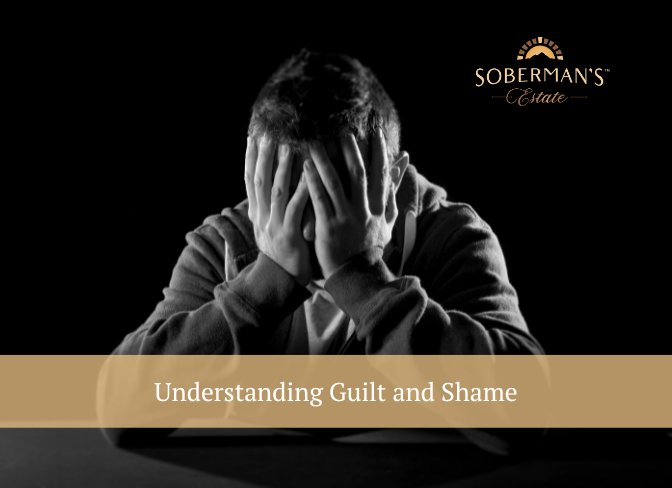
September is Pain Awareness Month, a time dedicated to increasing understanding and empathy around all kinds of pain, including the emotional and psychological suffering many of us go through. When it comes to emotional pain, guilt and shame often take center stage, becoming overwhelming barriers in the path to recovery.
Topics: Addiction, Recovery, Substance Abuse, Healthy
%20(1).png?width=690&name=I%20am%20becoming%20the%20best%20version%20of%20myself%20with%20each%20new%20day%20(672%20%C3%97%20480%20px)%20(1).png)
As we approach Rosh Hashanah, the Jewish New Year, there are so many messages that one can take hold of. There are also a preponderance of symbols which mark the New Year. One of the most famous is the Shofar (Ram’s Horn). Blowing the ram’s horn or shofar on Rosh Hashanah comes directly from the Torah/Old Testament.. There is a commandment that on the first day of the seventh month (Tishrei) “you shall observe complete rest, a sacred occasion commemorated with loud blasts.” These loud blasts were understood to allude to the blasts of the shofar. There are a number of reasons that are indirectly given as to why we blow the shofar on Rosh Hashanah. Rabbi Saddia Gaon, a famous commentator from Egypt, listed 10 reasons why the shofar is blown. Three in particular can really speak to those in recovery, those struggling with addiction or those who are impacted by addiction; 1) the beginning of the new year 2) the Mt. Sinai experience 3) the destruction of the Holy Temple in Jerusalem.
The beginning of the new year is a natural fit. Newness allows us to reset and move forward and not stay stuck in the past. As we know, we can’t go back one second let alone a week, month, or year. By blowing the shofar, we are reminded of the beginning which allows us to reset. In 12 step programs people receive something for their yearly sobriety. It gives them an opportunity to look back on the past year and see where the successes and failures were. What needs to be strengthened and what is on solid ground. The shofar can remind an addict or anyone of what they can do to continue to improve moving forward in the upcoming year.
The second reason from Rabbi Gaon deals with Mt. Sinai. There is an idea that the shofar integrates the spiritual and physical as it comes from an animal and was the very sound that was given at Mount Sinai when the Israelities received the 10 Commandments. Becoming sober from physical addictions starts with our spiritual well being. It is almost impossible to become sober without tapping into your spirituality. Our goal in this world is to integrate the physical with our spiritual and in turn to elevate the physical into something spiritual. Whether you see yourself as a physical being having a spiritual experience or a spiritual being having a physical experience, one must tap into their spiritual side to navigate the road ahead. Whether one is a struggling addict or a person trudging the road of life, we know the importance of integrating our physical, spiritual, mental and emotional components to be successful in everything that we will experience on the long and winding road.
The third reason that Rabbi Saddia Gaon mentioned for blowing the shofar, the destruction of the Temple, is a great reminder for addicts. The destruction that our addiction inflicted upon those around us needs to be subtly reminded. No one lives in a vacuum and everything we do has an impact on those around us. Whether it is a loss of a job, emotional neglect towards those we love, financial destruction, physical scars that have or haven’t healed or anything else. The addiction caused chaos. One does not need to live in a place of guilt or perpetual suffering but, it is important to have a reminder once in a while of the consequences of our actions. This can speak to anyone, not only those that have struggled with addiction.
Whether one celebrates Rosh Hashanah or not the symbol of the shofar can relate to all of those that are working on their sobriety.
Soberman's Estate is a residential men's addiction treatment center that provides discreet, individualized, sophisticated recovery and wellness services for adult men that want to recover from substance use disorders, and or other behavioral issues such as trauma, anxiety, depression, stress, or other addictions.
%20(672%20%C3%97%20480%20px)%20(544%20%C3%97%20389%20px)%20(544%20%C3%97%20389%20px)%20(544%20%C3%97%20389%20px)%20(674%20%C3%97%20480%20px)%20(940%20%C3%97%20788%20px)%20(672%20%C3%97%20480%20px)%20(672%20%C3%97%20480%20px)%20(940%20%C3%97%20788%20px)%20(940%20%C3%97%20788%20px).png?width=690&name=Add%20a%20little%20bit%20of%20body%20text%20(1080%20%C3%97%201080%20px)%20(672%20%C3%97%20480%20px)%20(544%20%C3%97%20389%20px)%20(544%20%C3%97%20389%20px)%20(544%20%C3%97%20389%20px)%20(674%20%C3%97%20480%20px)%20(940%20%C3%97%20788%20px)%20(672%20%C3%97%20480%20px)%20(672%20%C3%97%20480%20px)%20(940%20%C3%97%20788%20px)%20(940%20%C3%97%20788%20px).png)
As the golden hues of September embrace us, the national spotlight shifts to a cause of immense importance: National Recovery Month. For those unfamiliar, National Recovery Month is observed every September in the United States. It celebrates the gains made by those in recovery and sheds light on the positive impact that effective treatments can offer. This month, we can look into the unparalleled significance of residential treatment centers in the recovery journey.
%20(672%20%C3%97%20480%20px)%20(544%20%C3%97%20389%20px)%20(544%20%C3%97%20389%20px)%20(544%20%C3%97%20389%20px)%20(674%20%C3%97%20480%20px)%20(940%20%C3%97%20788%20px)%20(672%20%C3%97%20480%20px)%20(672%20%C3%97%20480%20px)%20(940%20%C3%97%20788%20px)%20(1).png?width=690&name=Add%20a%20little%20bit%20of%20body%20text%20(1080%20%C3%97%201080%20px)%20(672%20%C3%97%20480%20px)%20(544%20%C3%97%20389%20px)%20(544%20%C3%97%20389%20px)%20(544%20%C3%97%20389%20px)%20(674%20%C3%97%20480%20px)%20(940%20%C3%97%20788%20px)%20(672%20%C3%97%20480%20px)%20(672%20%C3%97%20480%20px)%20(940%20%C3%97%20788%20px)%20(1).png)
The intricate, winding path of addiction is often accompanied by the heavy weights of shame, guilt and regret. Making the transition from addiction to sobriety can be as much about healing our inner world as it is about breaking free from the physical and mental bonds of substance use. Below are some insights and steps that may help in releasing these burdens and embracing the new chance at life that recovery offers.
Topics: Addiction, Treatment, Recovery, Healthy, Mental Health